

Samaná, Dominican Republic: The Caribbean’s Next Ultra-Luxury Frontier (2026 Outlook)
Samaná, Dominican Republic: The Caribbean’s Next Ultra-Luxury Frontier (2026 Outlook)
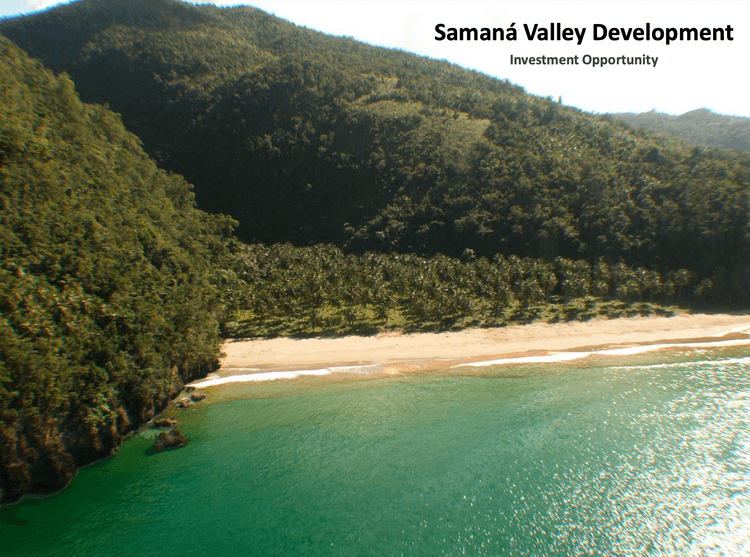
As global capital becomes more selective, sophisticated investors are moving beyond saturated resort markets and toward destinations that offer scale, authenticity, and long-term upside. In the Caribbean, one region stands out heading into 2026: Samaná, Dominican Republic.
Often compared to where Tulum or Costa Rica were a decade ago—but with far stronger fundamentals—Samaná is emerging as a next-generation luxury and eco-resort destination for investors who think in decades, not seasons.
1. Scale Is the New Scarcity
True beachfront land at meaningful scale has virtually disappeared across the Caribbean. What makes Samaná different is not just its beauty—but its availability of large, contiguous parcels suitable for:
-
Branded luxury resorts
-
Ultra-low-density eco-developments
-
Private estates and family compounds
-
Phased residential or hospitality projects
In an era where most “luxury opportunities” are limited to infill or redevelopment, Samaná still allows vision at scale.
2. A Market Moving from Tourism to Prestige
Samaná has long been loved by travelers for its:
-
Pristine beaches
-
Lush tropical landscape
-
Whale migration season
-
Low-density, unspoiled character
What’s changing now is the profile of capital entering the region.
2026 marks a transition:
-
From mass tourism → curated, upscale experiences
-
From local operators → international developers and family offices
-
From short-term speculation → long-term destination building
This is exactly the phase where outsized value creation occurs.
3. The Eco-Luxury Advantage
Modern luxury buyers and hotel brands are aligned on one thing: eco-luxury is no longer optional.
Samaná’s natural topography—hills, coves, rainforest, and beachfront—makes it ideal for:
-
Low-impact architecture
-
Wellness-focused resorts
-
Sustainable residential communities
-
ESG-aligned investment strategies
Developments that respect the landscape are not only more marketable—they are future-proof.
4. Favorable Economics Compared to Mature Markets
Compared to established Caribbean luxury destinations, Sivota in Greece, or the Cyclades, Samaná offers:
-
Significantly lower land acquisition costs
-
Competitive construction economics
-
Strong tourism demand fundamentals
-
Attractive risk-adjusted returns for developers
This pricing gap is narrowing—but it still exists. Investors entering before 2026–2027 infrastructure and branding acceleration are positioning themselves ahead of the curve.
5. International Buyer Appeal Is Expanding
Samaná is increasingly attracting:
-
North American buyers seeking Caribbean exposure
-
European investors priced out of Mediterranean trophy assets
-
Hospitality groups scouting next flagship locations
-
UHNW individuals seeking private, nature-first estates
The Dominican Republic’s improving connectivity, pro-investment stance, and growing luxury hospitality presence are reinforcing this momentum.
6. Why Samaná Now (Not Later)
Markets like this do not stay quiet forever. The typical pattern is predictable:
-
Early movers secure land and permits
-
Flagship projects raise regional profile
-
Infrastructure improves
-
Prices reset permanently
Samaná is currently between steps 1 and 2.
For investors and landowners, this is the phase where strategic positioning matters more than speed.
Final Perspective
Samaná is not a speculative story. It is a measured, upscale evolution—one that rewards patience, vision, and professional execution.
For those who understand destination cycles, Samaná represents a rare combination:
-
Natural scarcity
-
Development flexibility
-
Global buyer appeal
-
Long-term capital appreciation
In a world where true beachfront scale is disappearing, Samaná is one of the last places where ambition still fits the land.
George Arvanitis
Luxury Real Estate Advisor
Nest Seekers International | The Alpha Regal Group
